
News
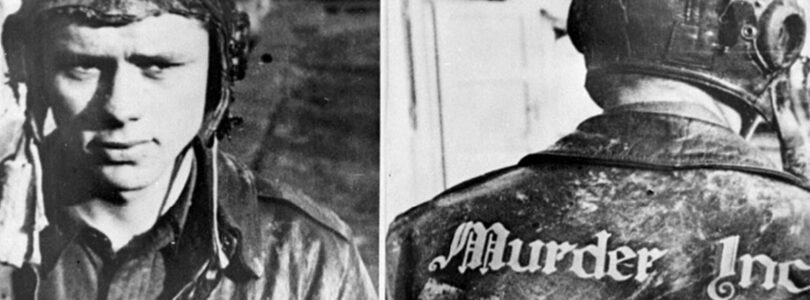

How a bombardier’s jacket inspired a failed Nazi propaganda campaign
Kenneth Daniel Williams was falling from the sky. His B-17, “Aristrocrap,” had just been shot over Bremen, Germany. A bombardier in the 351st Bomb Group, Williams was one of the few lucky ones of his crew — both the pilot and copilot of the Aristrocrap died in the Nov. 26, 1943, melee. “The escape hatch was on the floor of the tunnel,” Williams would later write. “I crawled back to see if I could ...[Read More]
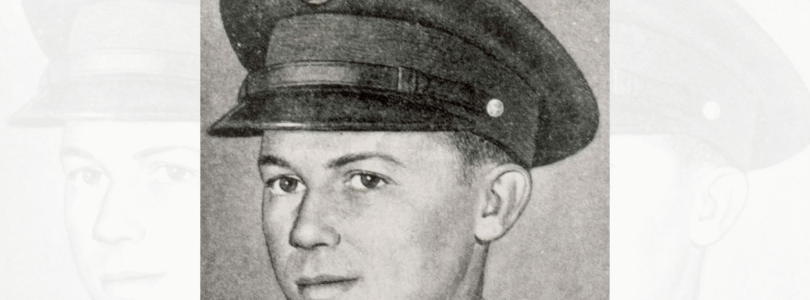

How a deadly game of whac-a-mole unfolded during the Battle of Ka-san
Since the North Korean People’s Army (KPA) invaded South Korea on June 25, 1950, it enjoyed a succession of victories and advances by maintaining the initiative against the Republic of Korea (ROK) Army and the United Nations forces that were trickling in to its aid. By the end of August, the UN and ROK forces were holding on to the port of Pusan and its defenses. Typical of the desperate fighting ...[Read More]
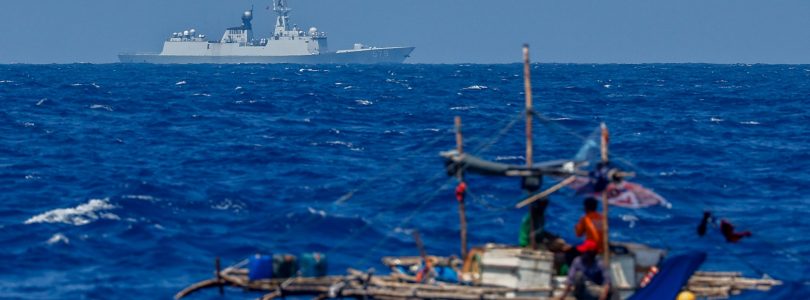

How a middling Chinese guided-missile frigate unnerves Japan, Taiwan and the US
NEW TAIPEI CITY, Taiwan — China’s navy has introduced a new guided-missile frigate designed for coastal as well as open-sea attacks after 20 years in the making, according to Chinese state media. Not quite a technological breakthrough, military analysts say. But the 054A frigate has advantages that are expected to raise the People’s Liberation Army Navy clout along and beyond the Chinese southeast...[Read More]
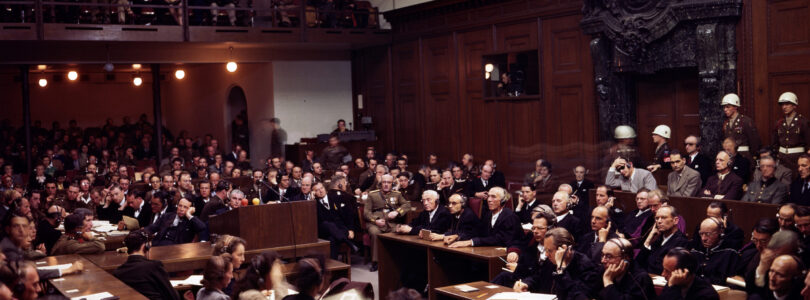

How a Nazi trial ended the just-following-orders defense for US troops
They started calling it the “Nuremberg defense” when lawyers for Lt. William Calley at his court martial argued that he was only following orders in the March 1968 slaughter of hundreds of Vietnamese in what became known as the My Lai Massacre. George Latimer, Calley’s main lawyer, cited Nuremberg in his summation, telling the court, “I could hardly stand here and tell you in good conscience that ...[Read More]
How a Nazi trial ended the just-following-orders defense for US troops
They started calling it the “Nuremberg defense” when lawyers for Lt. William Calley at his court martial argued that he was only following orders in the March 1968 slaughter of hundreds of Vietnamese in what became known as the My Lai Massacre. George Latimer, Calley’s main lawyer, cited Nuremberg in his summation, telling the court, “I could hardly stand here and tell you in good conscience that ...[Read More]
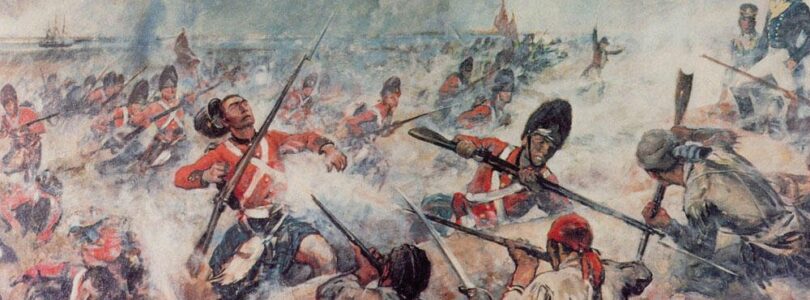

How a Rag-Tag Group of Soldiers, Marines, Choctaw, Militia and Pirates Saved New Orleans From the British
By December of 1814, American forces were in tatters. The Redcoats had dominated them in the War of 1812, repulsed their invasion of Canada and even burned the Whitehouse. While diplomats were preparing peace documents, a veteran British force moved into the Gulf Coast, preparing to take New Orleans.
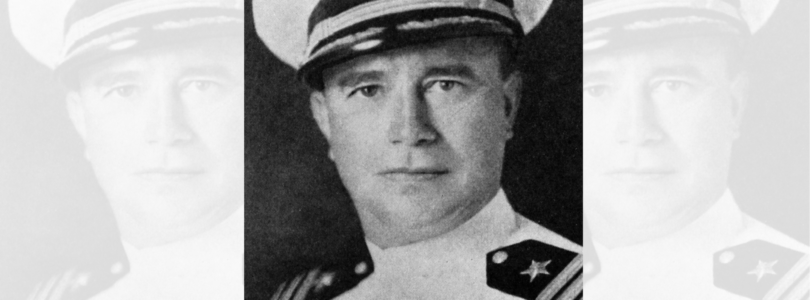

How a repair ship captain received the Medal of Honor at Pearl Harbor
The Japanese attack on Pearl Harbor on Dec. 7, 1941 had drama aplenty to go around, but one of the standouts did not involve a battleship, but a humble repair ship moored nearby. Capt. Cassin Young’s actions that day gave a new meaning to the slogan “Don’t give up the ship,” though later, aboard a heavy cruiser, he would carry those words to a watery grave. Young was born in Washington, D.C. on Ma...[Read More]
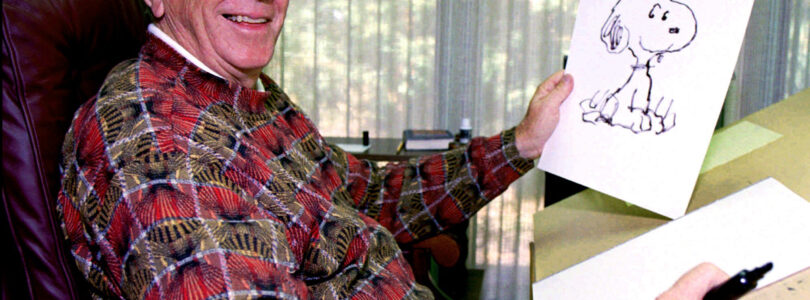

How a WWII vet created one of the most beloved comic strip characters
It was a scene that played out countless times in homes across America during World War II: A young soldier, home on leave, making his tearful goodbyes to his family before shipping out to fight in some faraway land. On Feb. 28, 1943, a 20-year-old draftee, who was inducted into the U.S. Army at Fort Snelling in his hometown of St. Paul, Minnesota, said a particularly painful farewell. For the ver...[Read More]


How commercial drones make the Pentagon’s ‘Blue UAS Select’ list
The Defense Department this week began testing for the initial phase of its Drone Dominance Program, an effort to expand the use of commercial drones across the military. Dubbed “the Gauntlet,” military operators will fly and evaluate uncrewed aerial systems, or UASs, at Fort Benning, Georgia, to determine which of the 25 competing vendors will advance to the next phase of the program. However, ah...[Read More]
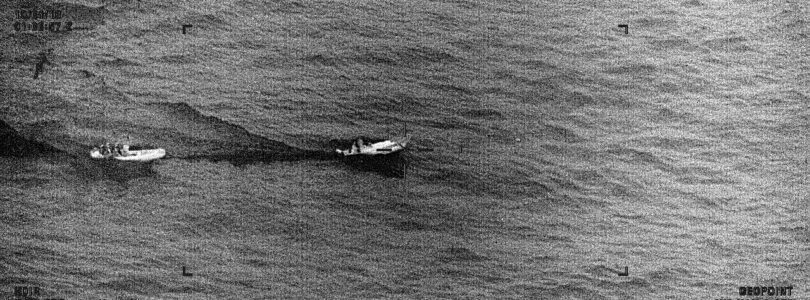

How did the US patrol the Caribbean for drug smuggling before strikes?
Editor’s note: This article first appeared on The War Horse, an award-winning nonprofit news organization educating the public on military service, under the headline “Q&A: How Did the U.S. Patrol the Caribbean for Drug Smuggling Before It Started Blowing Up Boats?” Subscribe to their newsletter. For decades before the Pentagon started blowing up alleged drug boats in the Caribbean, the Coast ...[Read More]


How Field Marshal Montgomery predicted the rise of drone warfare
It might seem inconceivable that the use of drones in future battles would have come to the forefront of discussions of NATO strategy in the 1950s, but that is exactly what happened when Field Marshal Bernard Montgomery delivered an address to the Royal United Service Institution in 1954. Montgomery, who helped create the foundations of NATO and was then serving as its Deputy Supreme Allied Comman...[Read More]
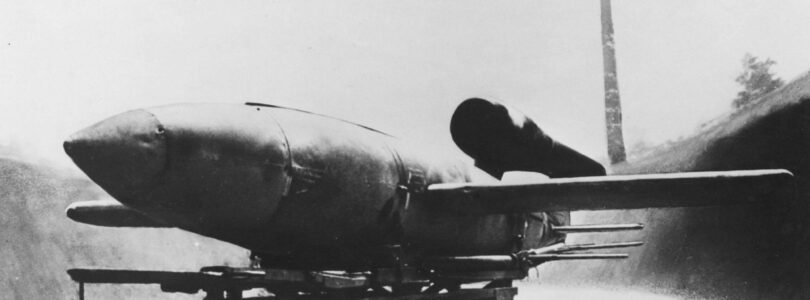

How Hitler’s fear-inducing ‘flying bomb’ ushered in drone warfare
On June 13, 1944, a strange new aircraft appeared in England’s skies. While the Royal Air Force was accustomed to scrambling to intercept German fighter and bomber aircraft from mainland Europe, this new threat was different. It was unmanned. Described by baffled onlookers as a “pilotless plane,” it had wings, a jet engine and a warhead that delivered far-reaching explosive damage on impact. Its e...[Read More]