
News
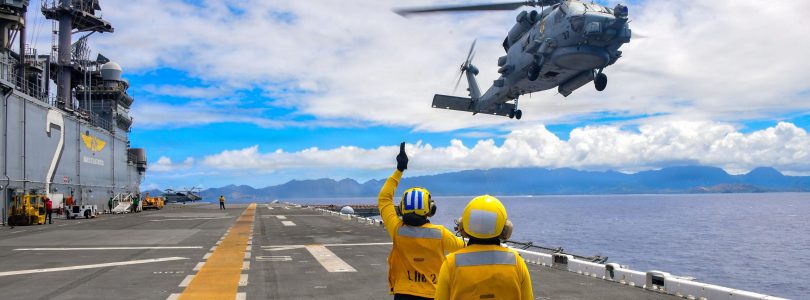

US Navy tests AI-powered submarine hunter
The U.S. Navy tested artificial intelligence-powered sonar to target submarines during the multinational Rim of the Pacific exercise in July. SensorMAX, developed by Lockheed Martin, uses AI and machine learning to analyze acoustic sensor data, update the sensor model — and then immediately transmit the updates over the air to anti-submarine warfare, or ASW, platforms. During RIMPAC maneuvers near...[Read More]
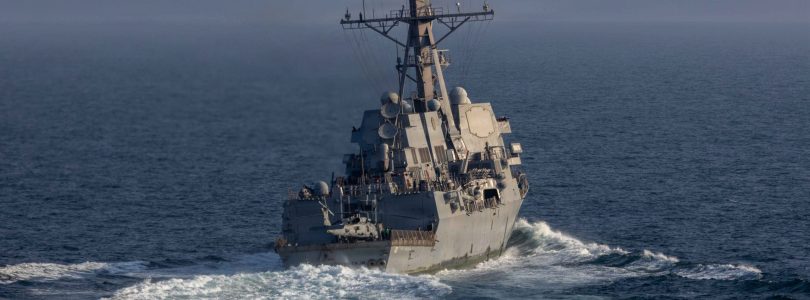

US Navy to blockade Strait of Hormuz ‘effective immediately,’ Trump says
President Donald Trump said on Sunday the U.S. Navy would immediately start blockading the Strait of Hormuz, raising the stakes after marathon talks with Iran failed to reach a deal to end the war, jeopardizing a fragile two-week ceasefire. Trump also said in a post on Truth Social that the U.S. would interdict every vessel in international waters that had paid a toll to Iran, and begin destroying...[Read More]
US Navy to deploy unmanned systems with surface forces this year
The U.S. Navy is moving swiftly to integrate and deploy unmanned surface vessels, with three USV divisions slated to be created next week and two medium USVs to be operating under fleet control this year. Capt. Garrett Miller, the commodore of Surface Development Group One, made the announcements Wednesday at the Surface Navy Association’s 38th National Symposium. “My command is really focused on ...[Read More]
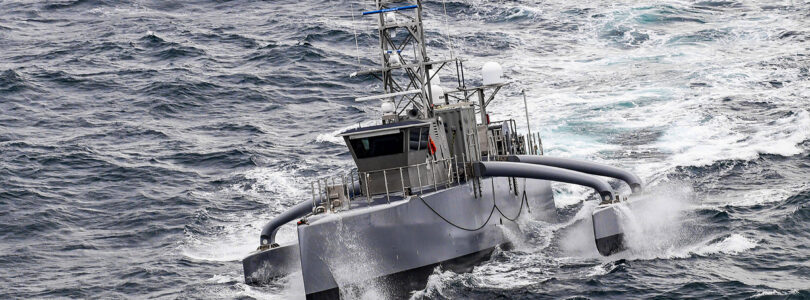

US Navy to deploy unmanned systems with surface forces this year
The U.S. Navy is moving swiftly to integrate and deploy unmanned surface vessels, with three USV divisions slated to be created next week and two medium USVs to be operating under fleet control this year. Capt. Garrett Miller, the commodore of Surface Development Group One, made the announcements Wednesday at the Surface Navy Association’s 38th National Symposium. “My command is really focused on ...[Read More]

US Navy to develop new class of smaller, more ‘agile’ combatant ships
The U.S. Navy is pursuing a new class of smaller, more agile combatant ships that the service says will become a “critical component of the Navy’s fleet of the future.” The first hull of the future FF(X) class, which will be based on the U.S. Coast Guard’s Legend-class National Security Cutter design, is expected to hit the water in 2028 as a more nimble companion to the Navy’s larger warships, Na...[Read More]
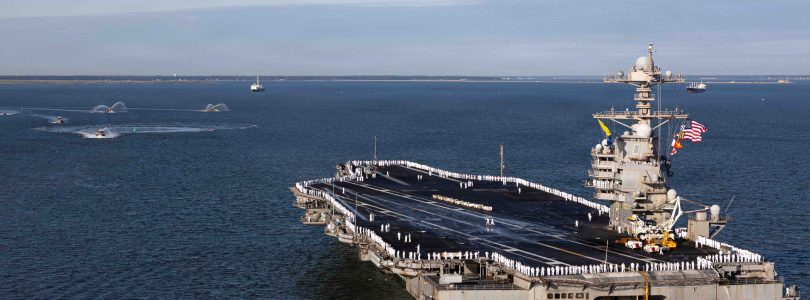

US Navy to explore powering shore installations with aircraft carriers
The U.S. Navy is planning to bring the nuclear power of its largest aircraft carrier from ship to shore at some point this summer, acting Navy Secretary Hung Cao revealed during a May 14 U.S. House Armed Services Committee hearing. Cao stated that Naval Station Norfolk in Virginia will be part of a pilot program exploring the concept of an installation “powered from an aircraft carrier.” “We’re go...[Read More]
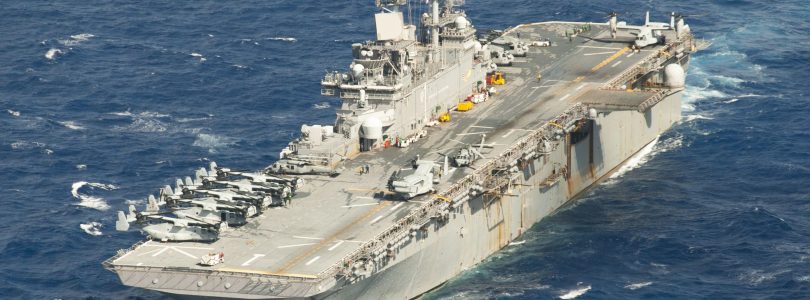

US Navy to extend service life of amphibious assault ship USS Wasp by 5 years
The U.S. Navy and Marine Corps have extended the lifespan of the lead Wasp-class amphibious assault ship by five years and are considering doing the same for other vessels in the amphibious fleet. Expeditionary Warfare Director Brig. Gen. Lee Meyer told reporters Tuesday at Modern Day Marine exposition in Washington that the Navy lengthened the operability window of the USS Wasp following a study ...[Read More]
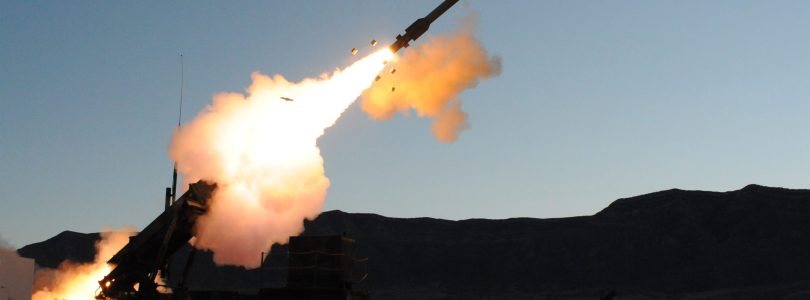

US Navy to integrate PAC-3 MSE interceptor missile with Aegis Combat System
As demand surges for one of the military’s most in-demand missile interceptors, the Navy is preparing to bring it to sea. The service plans to integrate the PAC-3 Missile Segment Enhancement interceptor into its Aegis Combat System for the first time, Lockheed Martin announced in a Tuesday statement, as demand for the missile grows and the Pentagon expands production. The Army uses the interceptor...[Read More]
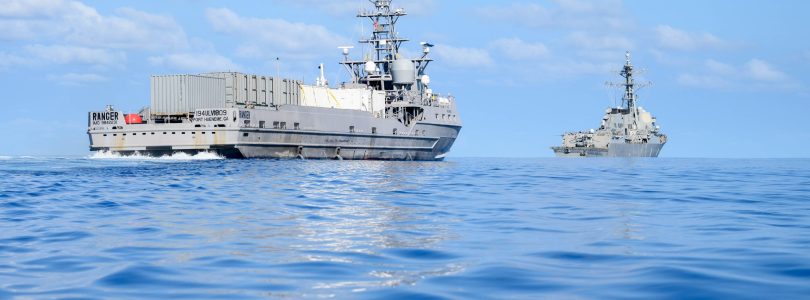

US Navy unmanned surface vessel fleet to grow sevenfold in Indo-Pacific
The U.S. medium-sized unmanned service vessels fleet could jump from roughly four to 30 vessels by 2030 in the Indo-Pacific, according to officials. As of now, the U.S. has at least four medium-sized unmanned service vessels that previously completed deployments in the region. In just four years, that amount could be approximately seven times larger, according to U.S. Navy Capt. Garrett Miller. Sp...[Read More]
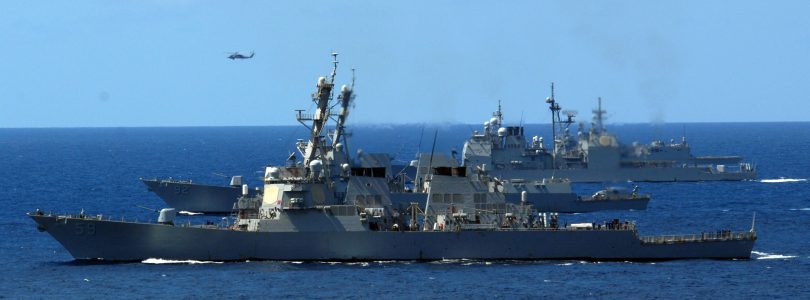

US Navy wants helicopter sonar that can detect subs – and mines
As the Iran war has shown, detecting and sweeping mines is one of the biggest challenges for the U.S. Navy. Meanwhile, the sea service also has to worry about detecting submarines operated by China, Russia and other nations. But rather than separate sonars and helicopters for spotting mines and subs, the Navy is exploring the convenience of having one sonar that allows a single helicopter to perfo...[Read More]