
News
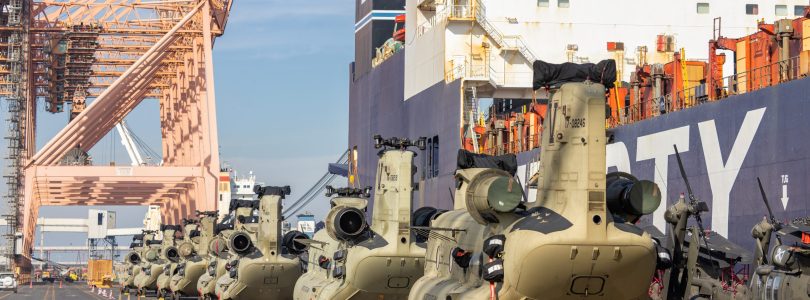

They survived an Iran war drone attack. Six months later, they’re struggling to get care.
Editor’s note: This article first appeared on The War Horse, an award-winning nonprofit news organization educating the public on military service. Subscribe to their newsletter. The soldier wakes at 6 a.m. after getting only three or four hours of sleep. He showers, shaves and puts on his uniform by 7 a.m., even as his head pounds from a traumatic brain injury. Sometimes, while walking to a manda...[Read More]
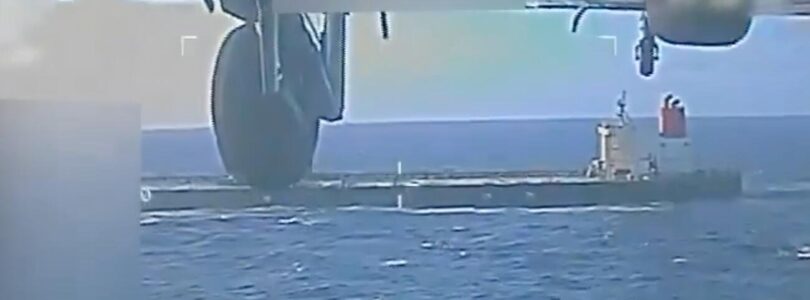

Third Oil Tanker in U.S. Crosshairs as Venezuela Pressure Builds
U.S. forces are tightening pressure on President Nicolás Maduro, disrupting sanctioned oil shipments at sea.
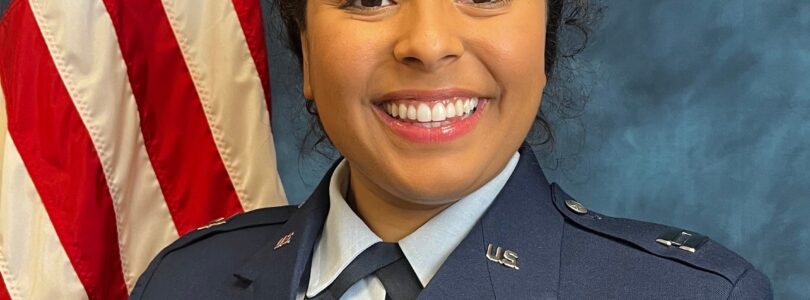

This Air Force WSO became an ace in showdown with Iranian drones
When Iran dispatched some 200 attack drones and cruise missiles toward Israel in a brute-force attack on April 13, 2024, all of Capt. Carla Nava’s training was suddenly put to the test. A weapons systems officer with the 494th Fighter Squadron out of RAF Lakenheath, United Kingdom, Nava knew her F-15E Strike Eagle was prepped to be first in a two-ship formation if called upon. But when the pair of...[Read More]
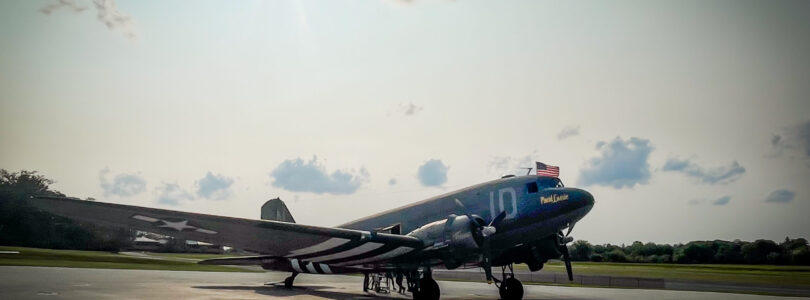

This C-47 was built in 1943. It hasn’t stopped flying since.
In 1943, the Placid Lassie took to the skies for the U.S. Army Air Forces, and since that date, it has never stopped. But this C-47 is not just a Frankenstein-esque hull of itself. It is not a replica nor a restoration. “These same rivets,” according to the Tunison Foundation, “crossed the English Channel on June 6, 1944, in service of our country.” Known as the workhorse of World War II, more tha...[Read More]


This company is rethinking PTSD treatment for veterans — with VR
Neurova Labs began the way many veteran-founded health technologies do, with frustration, loss and a growing belief that the systems designed to help were not addressing the full scope of the problem. Founder and CEO Brenden Borrowman is a retired Army veteran who was medically evacuated after being wounded in Afghanistan in 2011. During his recovery and time in a Warrior Transition Battalion, he ...[Read More]
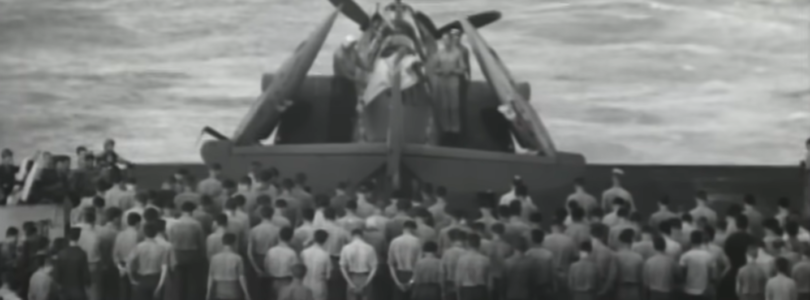

This gunner is the only sailor buried at sea — inside his plane
It was a blink-and-you’ll-miss-it moment. In episode 12 of “Victory at Sea,” the 1953 documentary series captured several solemn burials at sea — but one naval burial stood out from the rest. Twenty-three-year-old Loyce Edward Deen, an aviation machinist mate, was the first and only aviator buried at sea inside his airplane. It was part necessity — his TBM Avenger was so badly shot up by 40mm anti...[Read More]
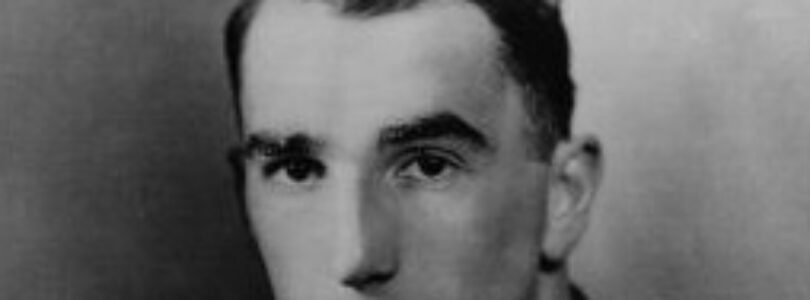

This Korean War aviator was the first helicopter pilot to receive MOH
First used by the 1st Air Commando in World War II, the Sikorsky R-4 often fell short of its role in rescuing airmen downed in the mountains and rainforests of the China-Burma-India front but as the first helicopter designed to perform such tasks it set the precedent for a new generation of rotary aircraft. A vastly improved design, the Sikorsky S-61 first took off in February 1946 and got its bap...[Read More]
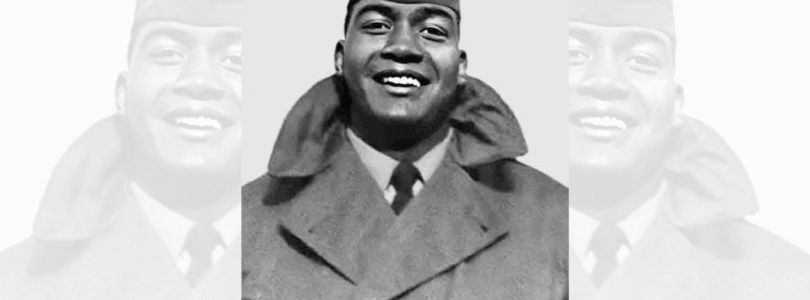

This Korean War hero was awarded the Medal of Honor after 72 years
With the decisive battles of 1950 through 1951 behind it, the Korean War simmered down to negotiations toward an armistice, in parallel with a seemingly endless series of minor melees over various strategic scraps of higher-altitude real estate. While United Nations and communist forces argued daily at Panmunjom — a village in the Demilitarized Zone (DMZ) between North and South Korea — the soldie...[Read More]
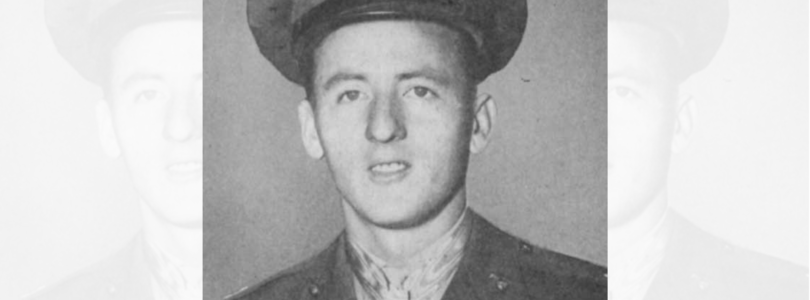

This Marine pilot earned ace status as a Wildcat menace in the Pacific
Behind his Louisiana Cajun drawl, Jefferson Joseph DeBlanc harbored the intellect of an academic with the physique of a star athlete. Born on Feb. 15, 1921, in Lockport, Louisiana, he graduated from high school in 1938, but cut college short to try his hand at military aviation. He allegedly claimed that as a loyal Southerner he could not abide joining “the Yankee army,” so he enlisted in the U.S....[Read More]
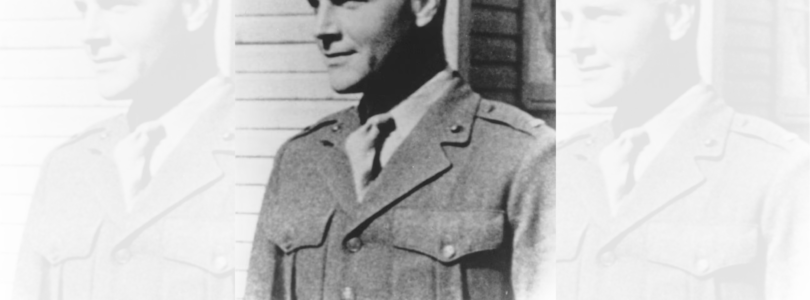

This Marine’s furious fight on Tarawa helped to seal the battle’s fate
After the U.S. Marine raid on Makin Island on Aug. 17-18, 1942, Japanese garrisons in the Gilbert and Marshall islands got to serious work reinforcing their commands. These took different natures, with differing effectiveness. In the case of Tarawa Atoll in the Gilberts, the defenses focused on some 500 positions, combining solid concrete, resilient coconut logs and the sand that made up the islan...[Read More]