
News
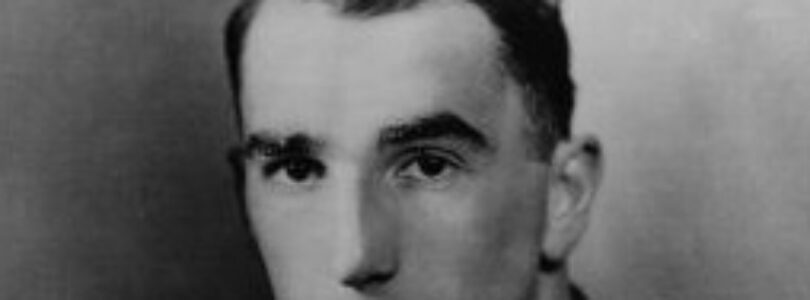

This Korean War aviator was the first helicopter pilot to receive MOH
First used by the 1st Air Commando in World War II, the Sikorsky R-4 often fell short of its role in rescuing airmen downed in the mountains and rainforests of the China-Burma-India front but as the first helicopter designed to perform such tasks it set the precedent for a new generation of rotary aircraft. A vastly improved design, the Sikorsky S-61 first took off in February 1946 and got its bap...[Read More]
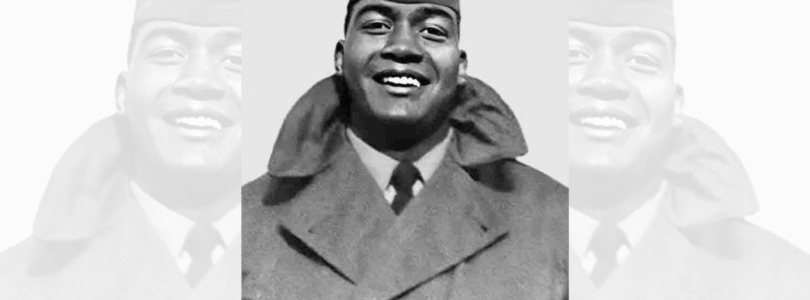

This Korean War hero was awarded the Medal of Honor after 72 years
With the decisive battles of 1950 through 1951 behind it, the Korean War simmered down to negotiations toward an armistice, in parallel with a seemingly endless series of minor melees over various strategic scraps of higher-altitude real estate. While United Nations and communist forces argued daily at Panmunjom — a village in the Demilitarized Zone (DMZ) between North and South Korea — the soldie...[Read More]
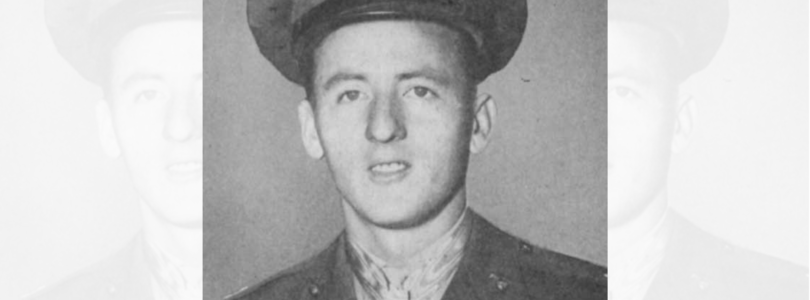

This Marine pilot earned ace status as a Wildcat menace in the Pacific
Behind his Louisiana Cajun drawl, Jefferson Joseph DeBlanc harbored the intellect of an academic with the physique of a star athlete. Born on Feb. 15, 1921, in Lockport, Louisiana, he graduated from high school in 1938, but cut college short to try his hand at military aviation. He allegedly claimed that as a loyal Southerner he could not abide joining “the Yankee army,” so he enlisted in the U.S....[Read More]
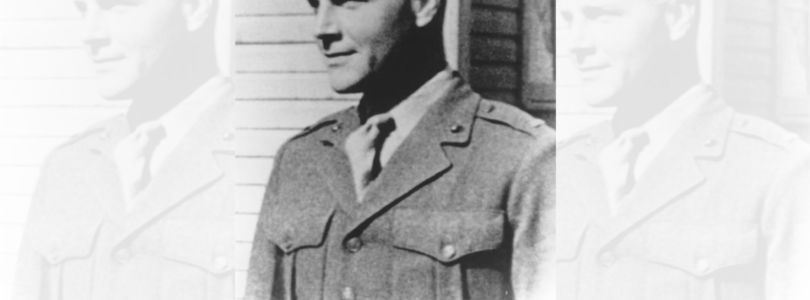

This Marine’s furious fight on Tarawa helped to seal the battle’s fate
After the U.S. Marine raid on Makin Island on Aug. 17-18, 1942, Japanese garrisons in the Gilbert and Marshall islands got to serious work reinforcing their commands. These took different natures, with differing effectiveness. In the case of Tarawa Atoll in the Gilberts, the defenses focused on some 500 positions, combining solid concrete, resilient coconut logs and the sand that made up the islan...[Read More]


This military training camp team almost won a national championship
World War II spared no one and nothing — even American football. In 1943, the AP Top 20 college football rankings were littered with the usual names — Notre Dame, Michigan, Texas. Yet hovering at the No. 2 spot is a team long-forgotten, even by most football fanatics: the U.S. Navy’s Iowa Pre-Flight team. During WWII, military training camps fielded their own teams, writes The New York Times. The ...[Read More]
This military training camp team almost won a national championship
World War II spared no one and nothing — even American football. In 1943, the AP Top 20 college football rankings were littered with the usual names — Notre Dame, Michigan, Texas. Yet hovering at the No. 2 spot is a team long-forgotten, even by most football fanatics: the U.S. Navy’s Iowa Pre-Flight team. During WWII, military training camps fielded their own teams, writes The New York Times. The ...[Read More]

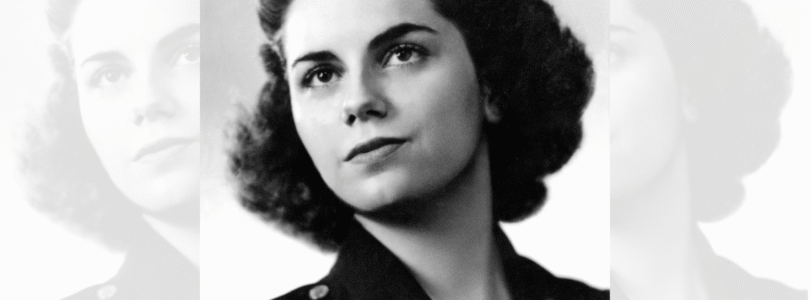

This nurse jerry-rigged a trach tube to keep a wounded Marine alive
Before the Second World War, there was little need nor interest in evacuating wounded military personnel to rear areas via aircraft. As the war turned global, however, the pressing need for the creation of medical air evacuation squadrons within the U.S. Army Air Forces became clear. According to the Air Force, a rushed training program for flight surgeons, enlisted medical technicians and flight ...[Read More]
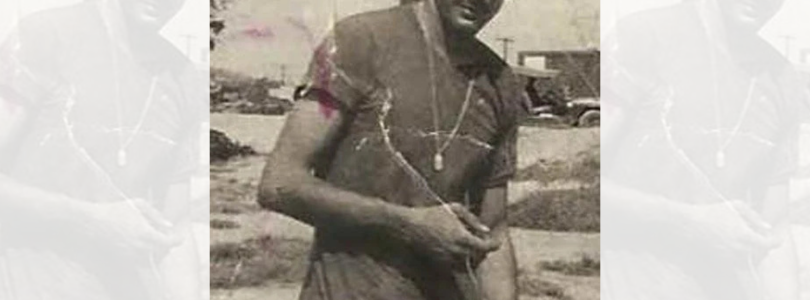

This US soldier tried to cover a retreat in Vietnam — and instead compelled the enemy to
On July 25, 1968, Leonard Louis Alvarado enlisted in the U.S. Army and by August 1969 he was a Specialist 4 and a rifleman in Company D, 2nd Battalion, 12th Cavalry Regiment, 1st Cavalry Division (Airmobile). Barely a year later, the California native found himself part of a small reaction force advancing through thick jungle near Duc Phong in Phuoc Long Province, in response to Vietnamese communi...[Read More]
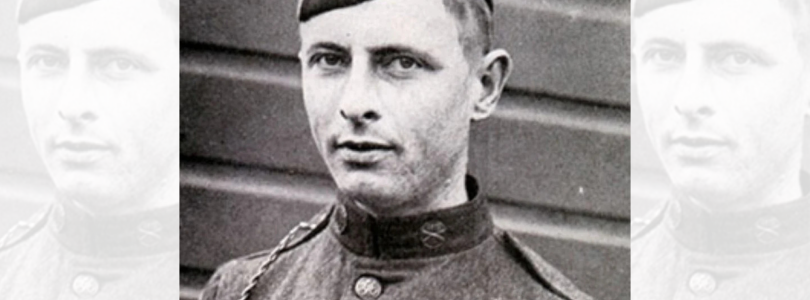

This WWI soldier saved two men from a burning tank with his bare hands
When the American Expeditionary Forces joined the Allied armies on the Western Front in World War I, there was one condition upon which their commander, Gen. John Pershing, insisted. He wanted the AEF to fight as an army, not a collection of separated units scattered among the Allied armies. For the most part, he got his way by the time the United States’ First Army was launched against the German...[Read More]
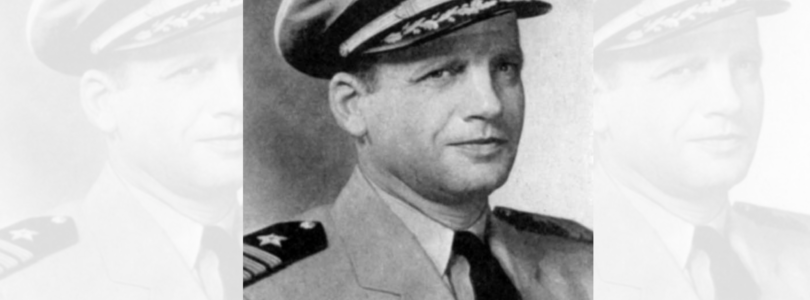

This WWII sailor stepped in to save a fellow POW from a beating
Courage can take more than one form — and can be recognized as such even by an enemy unaccustomed to such behavior. Such was the case with Dick Antrim of the United States Navy destroyer Pope, who snatched his own sort of victory from the jaws of defeat. Born in in the landlocked town of Peru, Indiana, on Oct. 17, 1907, Richard Nott Antrim chose a life at sea when he joined the Naval Reserve on Ju...[Read More]
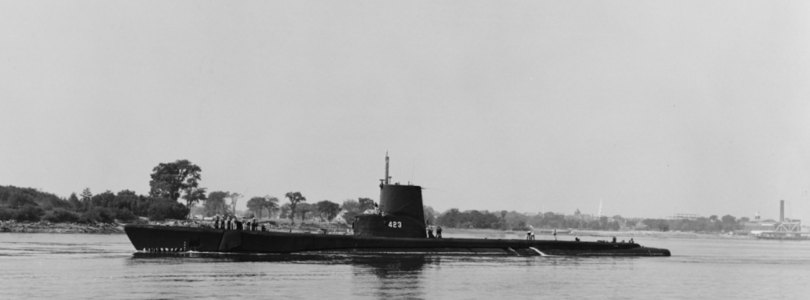

This WWII submarine was the last US boat to notch a torpedo kill — until this week
A United States Navy submarine sunk an Iranian ship with a single torpedo this week as the frigate was transiting the Indian Ocean, marking the first such kill by a U.S. submarine since World War II, the Pentagon confirmed on Wednesday. Speaking to reporters at the Pentagon alongside Chairman of the Joint Chiefs of Staff Gen. Dan Caine, Defense Secretary Pete Hegseth acknowledged the strike while ...[Read More]