
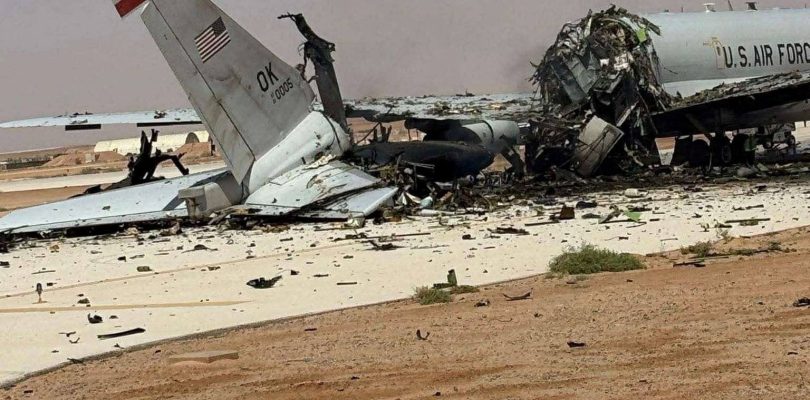
The Defense Department would be required to report on the total cost of U.S. operations in Iran, including the costs of damaged property, expended munitions and unplanned deployments and mobilizations, under a proposal advanced by the House Armed Services Committee on Friday.
The measure, which has bipartisan support, was added as an amendment to the House version of the fiscal 2027 National Defense Authorization Act, a massive defense funding and policy bill. After more than 14 hours of debate, the committee sent the bill to the full House, where it’s expected to go to the floor for a vote in July.
Rep. Seth Moulton, D-Mass., introduced the amendment. Moulton, a Marine Corps veteran, previously grilled Defense Secretary Pete Hegseth about the cost of the war. During an April 29 hearing, Moulton guessed the cost could reach $100 billion, or about $600 per U.S. taxpayer, he said.
“For the American taxpayers out there, I’m just wondering if they have an extra 600 bucks lying around to pay for your war,” Moulton said. “That’s a question we ought to ask.”
The measure requires the defense secretary to provide the House and Senate armed services committees with an unclassified assessment of the total cost of the operations by April 1, 2027. The U.S.-Israeli strikes against Iran began Feb. 28.
In addition to the costs of damaged or destroyed equipment and property, expended munitions and deployments, the report would include the cost of an ongoing U.S. Navy blockade in the Strait of Hormuz, the proposal says.
Pentagon officials estimated May 12 that the total cost of the Iran war had reached $29 billion, up from $25 billion on April 29. Jules Hurst III, the Defense Department’s acting comptroller, relayed the figures to lawmakers during back-to-back budget hearings on Capitol Hill.
Hurst emphasized that the projections did not include expenditures for repairing damaged military installations in the region.
A Congressional Research Service report released May 13 tallied 42 U.S. aircraft lost or damaged during the war, with drones accounting for 25 of the 42 losses.
The Pentagon has not publicly disclosed the scale of munitions expended before a ceasefire between Washington and Tehran took effect April 7, citing operational security. A May 27 analysis from the Center for Strategic and International Studies, however, found that more than 1,000 Tomahawk missiles had been launched during the U.S. strikes on Iran and 290 THAAD interceptors were used.
In addition to providing the cost assessment to the armed services committees, the measure mandates the Defense Department make it publicly available on its website.
![CNRC Conducts an enlistment ceremony [Image 1 of 10]](https://www.navycrf.com/wp-content/uploads/2025/10/250w_q95-ILHvB8-178x140.jpg)